

What is an allergic reaction
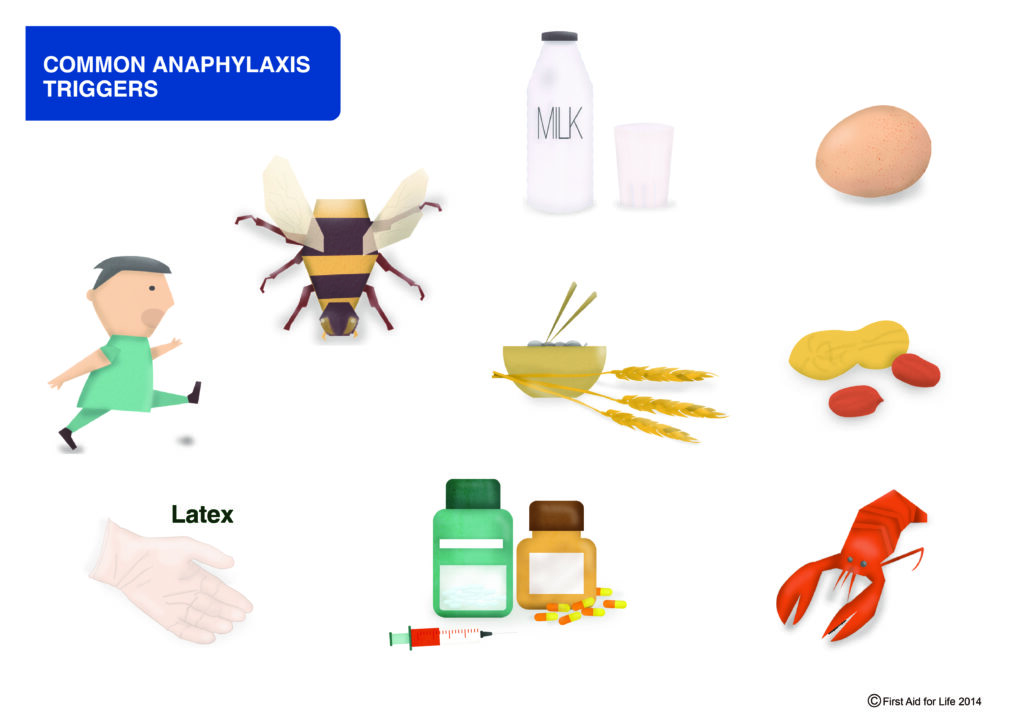
Allergic reactions occur because the body’s immune system reacts inappropriately in response to the presence of a substance that it wrongly perceives as a threat. In order to develop an allergic response, the body has to be exposed to something that triggers the immune response – this can be touched, inhaled, swallowed or injected – during a routine vaccination or by an insect sting.
The body reacts to Histamine
The body does not react to the irritant directly but reacts to the histamine released by cells damaged through the immune response on subsequent exposure. Pets can have an allergic reaction to all sorts of things; from bites and stings to grass, food or anything a human can react to.
How to recognise an allergic reaction
They may be biting or licking the affected area. When you observe the area, it may be swollen, red and have visible allergic hives (raised red patches).
If they are having a minor skin allergy, washing the area in cool water may help. Your vet will be able to prescribe an oral antihistamine if necessary.
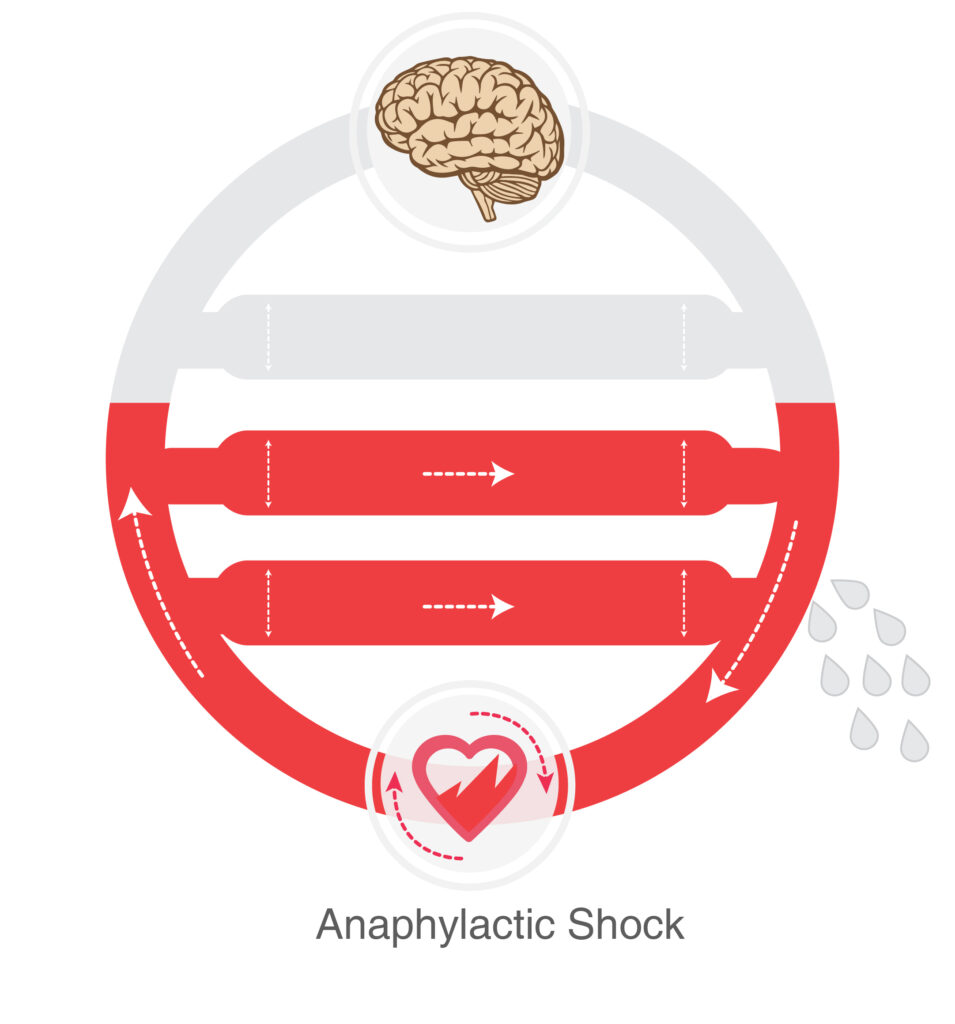
It is also possible for your pet to have a life-threatening anaphylactic reaction. Diagnosed by some of the following signs and symptoms:
- Pain, itching, swelling and redness of the affected area.
- Swelling of the face and neck.
- Raised hives spreading over the body, face and neck.
- Vomiting and diarrhoea.
- Difficulty breathing.
- Shock, collapse and unconsciousness.
This is a serious medical emergency for your pet and they will need veterinary help extremely fast. Transport them to the Vet in the pet recovery position with their lower back slightly higher than the rest of the body (pad underneath their body to keep their back straight). If they lose consciousness and stop breathing you will need to start CPR.
If the reaction is caused by a bee sting and the sting is still visible– it should be scraped out using a credit card or thumbnail, but not removed with tweezers as this would squeeze more venom into the wound.
Your pet can develop a reaction to any food and it can be very difficult to work out which one is the culprit. Do not smoke around your pet and be careful which chemical cleaning products you use around your house. If you see the animal begin to develop breathing problems and swelling around their throat, get veterinary advice immediately.
How to treat Anaphylaxis and acute allergic reactions
The key advice is to avoid any known allergens if at all possible.
If an animal is having a mild allergic reaction, your Vet may prescribe an antihistamine tablet or syrup and this can be very effective. However, the medication will take at least 15 minutes to work.
If you are concerned that the reaction could be systemic (all over) and life threatening, phone your Vet immediately. Get Veterinary help fast. Your Vet is likely to give Adrenaline.
Adrenaline (also known as epinephrine) acts quickly to constrict blood vessels, relax smooth muscles in the lungs to improve breathing, stimulate the heart beat and helps to reduce swelling.

First Aid for Pets provides this information for guidance and it is not in any way a substitute for veterinary advice. The author does not accept any liability or responsibility for any inaccuracies or for any mistreatment or misdiagnosis of any person or animal, however caused. It is strongly advised that you attend a practical First Aid for Pets course or take our online course to understand what to do in a medical emergency.