
Seeing your cat have a seizure can be terrifying, but knowing what to do can make all the difference. In this article, we’ll explain what seizures look like and how you can help keep your cat safe during and after an episode.
What is a seizure and why does it happen
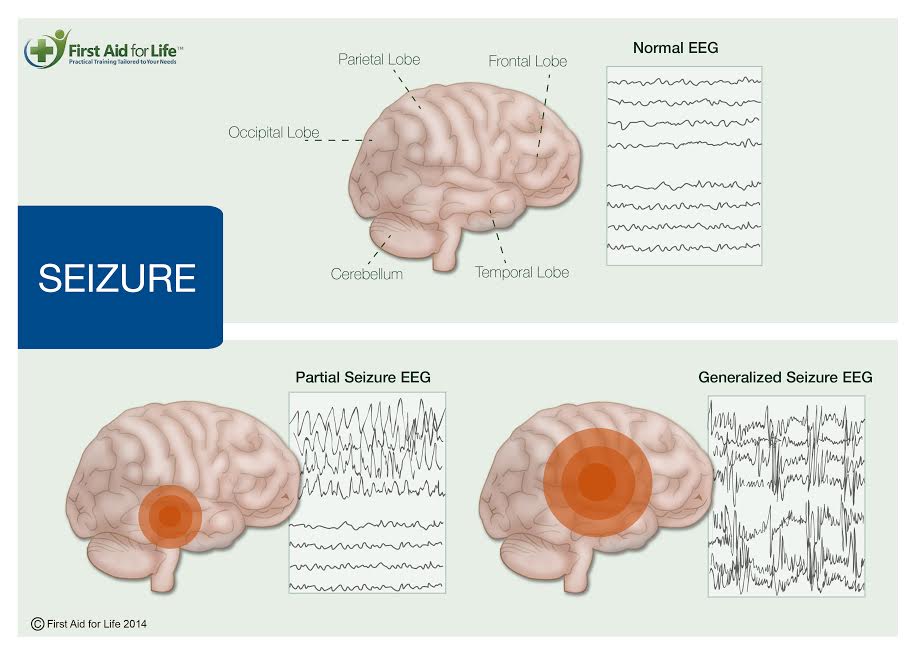
A seizure (the medical term for a fit or convulsion) occurs when there is a burst of electrical activity in the brain. This causes a temporary disruption in the normal messaging processes. Causing your cat’s muscles to contract and relax rapidly.
Observation
Seizures can be partial or focal type; initially affecting certain parts of the brain and can then become generalized – observing how your pet behaves during a seizure can be helpful to the Vet and aid the diagnosis. Many different types of seizures and different causes.
The brain affects the whole of the body and so where the seizure occurs in the brain, will affect different parts of the body. There are many different types of seizures and loads of different causes: any head injury or stress to the brain can cause fitting; as can brain tumours, poisoning, low blood sugar levels, calcium deficiency, lack of oxygen, kidney or liver disease, raised body temperature e.g. heat stroke or infection, stroke, epilepsy…
Epilepsy
A diagnosis of epilepsy is made when there has been at least one unprovoked seizure – that cannot be attributed to any other cause. It can be difficult to control epileptic seizures in cats.
What does a seizure look like?
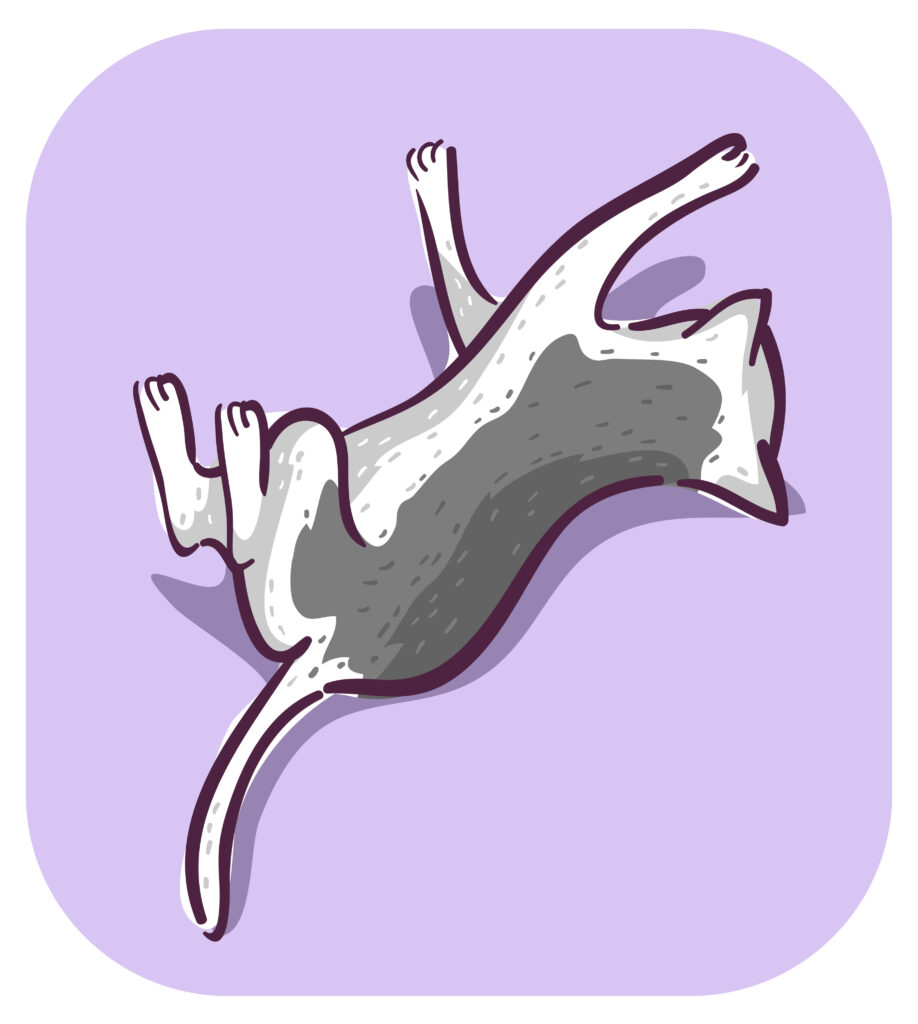
Fits, seizures or convulsions can cause your pet to collapse and then experience rigid out of control movements. There may be absence seizures, where your pet is rigid and unresponsive, or full thrashing around tonic/clonic fits – or anything in between.
What to do
Cats can experience fits, convulsions or seizures for a variety of reasons. Most seizures are over very quickly within 2-3minutes. Ideally let your pet finish their convulsion before attempting to transport them.
Always consult your Vet. Contact the Vet immediately if:
- If there are multiple seizures in quick succession or the seizure lasts longer than 5 minutes
This is because they may need veterinary intervention to stop the seizure.
While your pet has a seizure, the oxygen supply to the brain decreases, making prolonged and continuous seizures life-threatening. (KEEP YOUR HANDS CLEAR OF THEIR MOUTH AND NEVER PUT ANYTHING IN OR NEAR THEIR MOUTH DURING A SEIZURE)
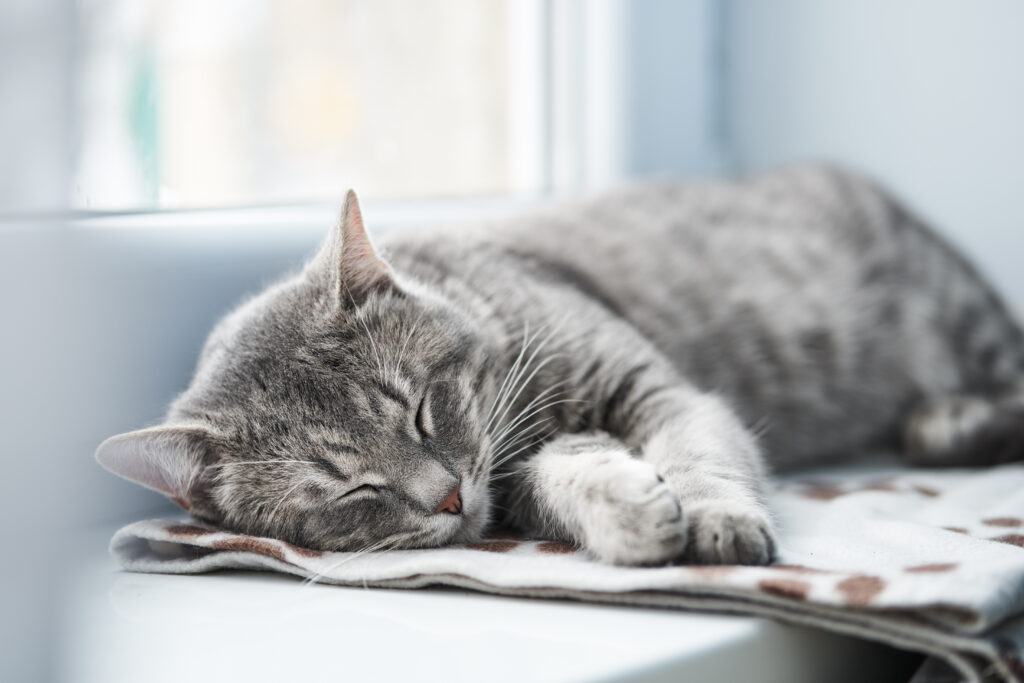
- During the seizure protect your pet from danger and anything against which they could hurt themselves – move furniture clear if necessary.
- Keep lighting low, noise to a minimum and avoid touching them too as external distractions can prolong a seizure
Do not put anything in their mouth
- Make a note of the time the seizure started and exactly what happened. This may be useful for the Vet to diagnose the cause of the fit.
- Remove any objects they could hurt themselves against
- Once the seizure is over your pet could be disorientated for a while (possibly up to 2 hours)
- They are likely to be thirsty so ensure they have easy access to drinking water.
- Never put your hand anywhere near a cat’s mouth when it’s having a seizure as it may involuntarily bite you
- Call your Vet
There is a huge variety in the type of seizure. Often they begin with your cat trembling, their eyes glaze over and they don’t respond to you and then may fall down and jerk violently. During a seizure it is common for them to urinate or defaecate. They may drool a lot and this could be blood stained if they have bitten their tongue. After the seizure, your cat may be disoriented or sleepy for a couple of hours.

First Aid for Pets provides this information for guidance and it is not in any way a substitute for veterinary advice. The author does not accept any liability or responsibility for any inaccuracies or for any mistreatment or misdiagnosis of any person or animal, however caused. It is strongly advised that you attend a practical First Aid for Pets course or take our online course to understand what to do in a medical emergency.