


The following is a step-by-step guide to prepare you, should you have to help a cat that has been run over. The first step you must take is ensuring the safety of yourself, other humans and then the injured animal.
How to keep everyone safe
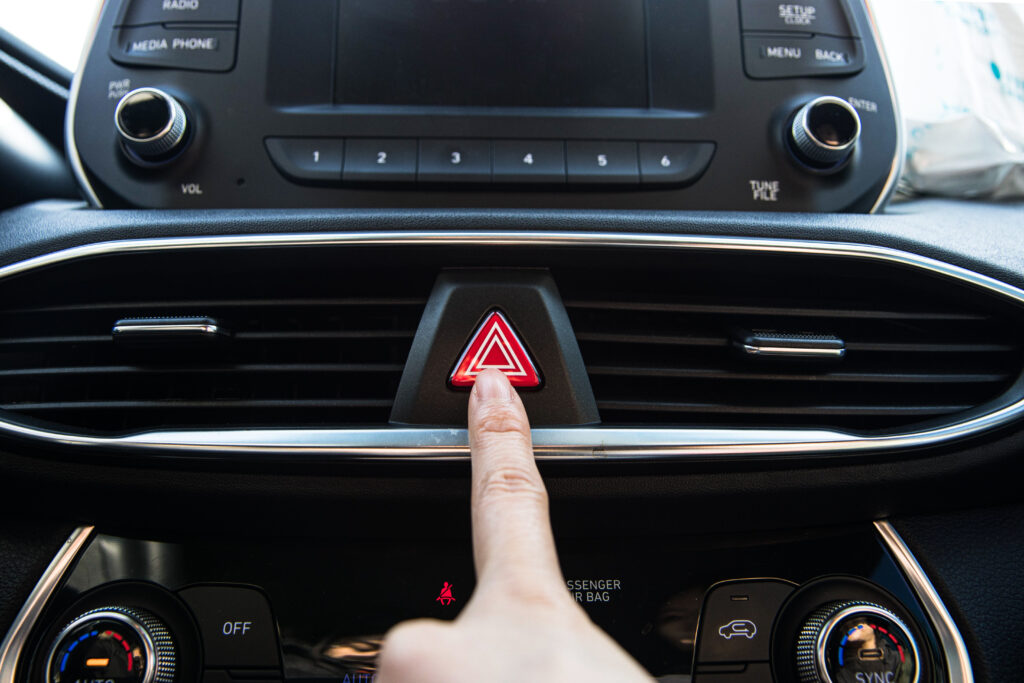
When approaching an accident scene the most important element is your safety. Make sure all traffic stops and clearly flag that an accident has occurred; otherwise, additional casualties may result. Human safety and human casualties always take priority. Be aware of oncoming traffic to ensure that is not posing an additional danger. Note if there is any fuel spillage or potential fire risk – turn off car ignitions if possible. Put on hazard lights and encourage other cars to do the same. Stay as calm as you can.
- Stress and panic will make things worse for the injured animal.
- Try and reassure them
- Keep them warm and dry
- Phone your Vet or the nearest veterinary surgery
The vet will want to know:
- What has happened?
- If your pet is conscious or unconscious ?
- Are they bleeding?
- Where is the injury?
- Where is the animal now and do you need to move them to allow traffic to begin moving again?
The Vet is likely to give you advice as to how to stabilize particular injuries and the best way to move the animal. Muzzle your pet if there’s a risk it might bite you.
Only use a muzzle if the animal is not having breathing difficulties and is not at risk of vomiting.
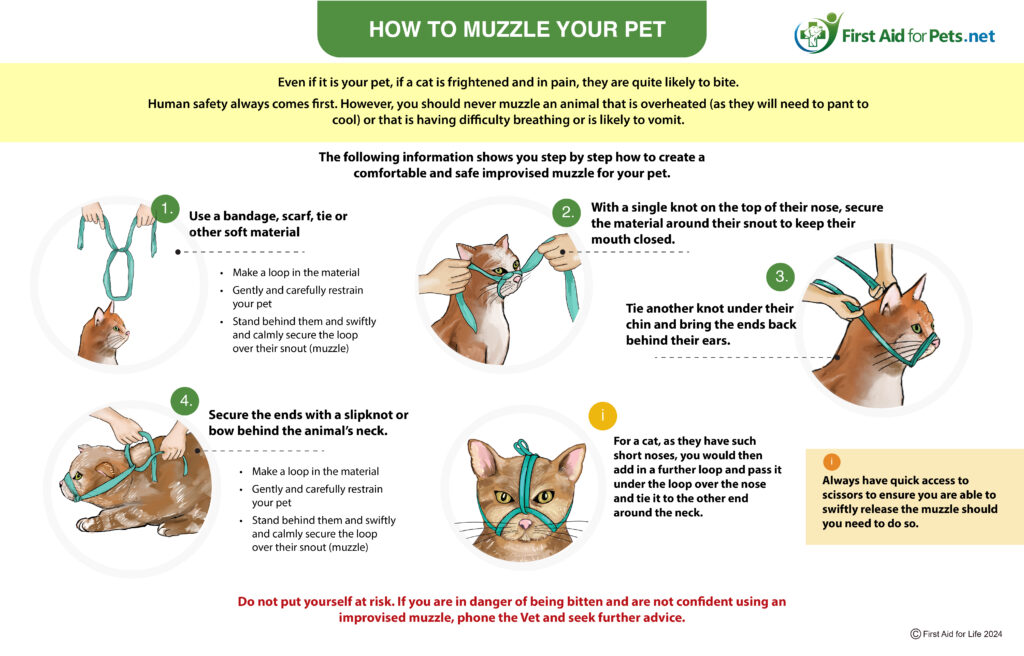
Be aware that injured animals will be scared and in pain. Cats in pain and frightened are likely to bite, even if they know and love you. Therefore, an emergency muzzle can be made with some bandage or tape to loop over the cat’s nose before transporting or handling. Alternatively, you can wrap them in a blanket or towel.
- Keep your cat warm by wrapping them in a blanket, coat or foil blanket
- Keep the nose and mouth exposed
- Carefully transport them directly to your nearest vet
- If there is a risk of a spinal injury you should do your best to avoid twisting your cat when transferring them to your vehicle
- A car parcel shelf or covered board can make a useful improvised stretcher
If your cat is having difficulty breathing
- If your cat is having trouble breathing; remove their collar, open their mouth and check for any obstructions.
- If they are unconscious and breathing, place them on their side in the recovery position.

Treatment of wounds when a cat has been run over
Cover any wounds with a clean cloth and apply gentle pressure to stop bleeding.
Do not give food or drink to an injured animal in case they need an anaesthetic. However, if there will be a delay getting veterinary treatment and your cat is distressed and dehydrated, on veterinary advice they may be given small amounts of water.

Do not give any medication unless directed to do so by the Vet. Roll the cat onto an improvised stretcher to transport them – avoid twisting their spine. Support their head and neck and carefully roll them ideally onto a stiff board, car parcel shelf, or blanket to transfer them into the car.
Everyone on the road should have a suitably stocked First Aid kit and know how to use its contents. Most of the contents of a human first aid kit can be useful to a cat in a medical emergency. Never give any human medication to a cat without Veterinary instructions to do so.

First Aid for Pets provides this information for guidance and it is not in any way a substitute for veterinary advice. The author does not accept any liability or responsibility for any inaccuracies or for any mistreatment or misdiagnosis of any person or animal, however caused. It is strongly advised that you attend a practical First Aid for Pets course or take our online course to understand what to do in a medical emergency.