
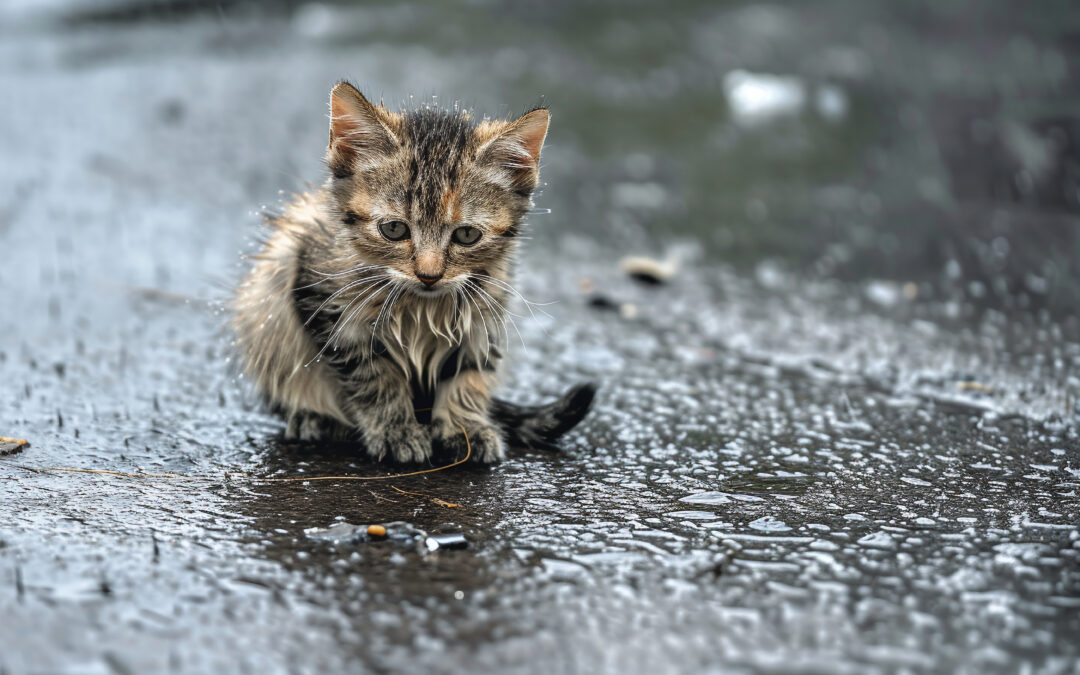
As winter sets in and temperatures drop, it’s easy to focus on how we can keep ourselves warm—but what about our furry friends? Cats, especially outdoor ones, are vulnerable to cold temperatures, and hypothermia can be a serious and life-threatening condition. Many pet owners might not realize just how quickly the cold can take its toll on a cat’s health.
What is Hypothermia?
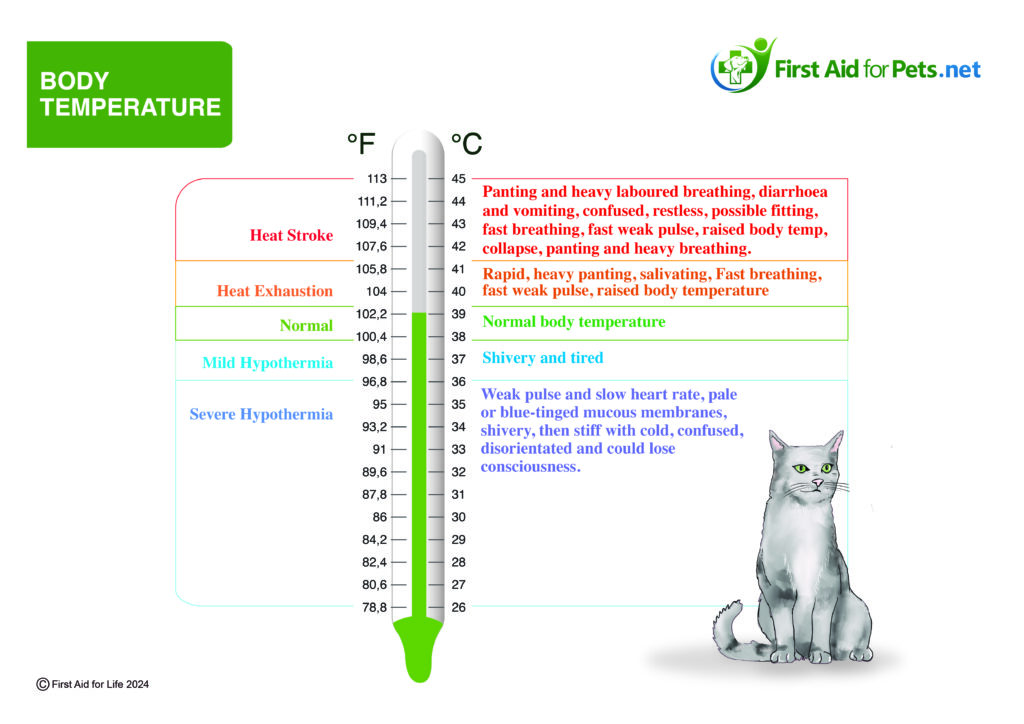
Hypothermia is defined as the point at which the core body temperature falls below 37 C.
Hypothermia will occur if your cat gets too cold and is most common if they have been in freezing water, even for a few minutes.
Extreme hypothermia is very serious and can be fatal.
Some cats are more at risk than others:
Sick, very old and very young cats are less able to regulate their own body temperature and therefore more likely to get hypothermia. These cats may need a coat or sweater when taken outside in the winter.
Signs and symptoms
- Weak pulse and slow heart rate.
- Dilated pupils.
- Mucous membranes become pale or blue tinged.
- They may be shivery and then stiff with cold.
As hypothermia develops further, they become confused, disorientated and then may lose consciousness – severe hypothermia kills.
Hypothermia treatment
- Remove them from the cold.
- Wrap in warm dry clothing or a towel, blanket.
- Wrap up warm in coats and blankets, and increase the room temperature if possible as well
- Use your body warmth and wrapped warm water bottles to gently warm them through.
- A foil blanket can be helpful
- Get veterinary advice quickly.
- If they lose consciousness and are breathing – put in the recovery position.

If they stop breathing – do CPR if they are very cold, keep them as still as possible as the extreme cold can affect their heart and any swift movement can cause a cardiac arrest.

First Aid for Pets provides this information for guidance and it is not in any way a substitute for veterinary advice. The author does not accept any liability or responsibility for any inaccuracies or for any mistreatment or misdiagnosis of any person or animal, however caused. It is strongly advised that you attend a practical First Aid for Pets course or take our online course to understand what to do in a medical emergency.