

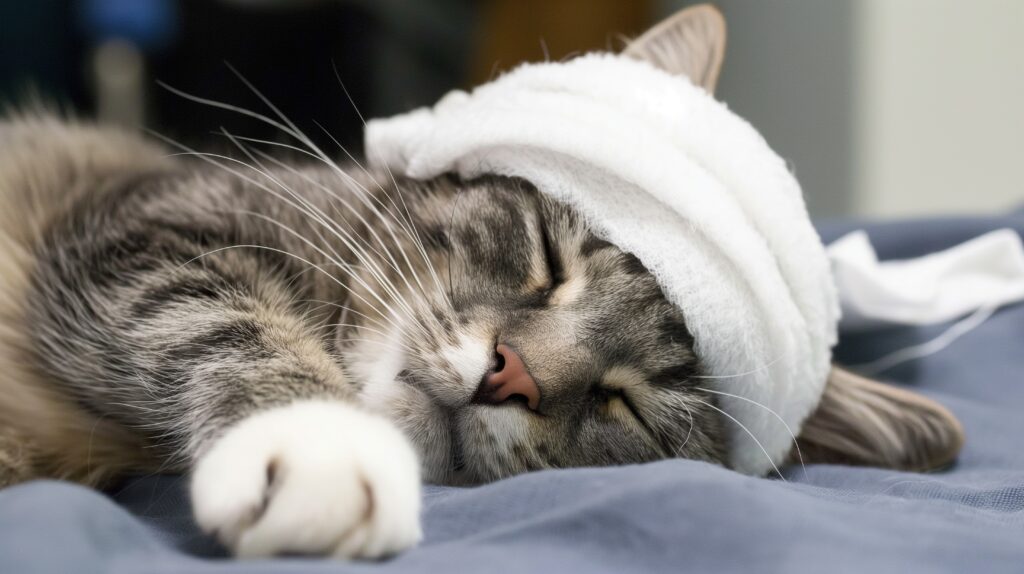
Cats are known for their curiosity, and adventurous nature, but these traits can sometimes lead to accidents, including head injuries. Whether from a fall, or collision, head injuries in cats can range from mild to severe and require immediate attention. As a pet owner, understanding the causes, symptoms, and appropriate responses to cat head injuries is crucial for your cat’s health.
They may be less obvious than in humans and harder to detect as cats can’t talk. Also, the immediate effects post trauma may be subtle and easily missed.
First steps if your cat injures their head
- Stay calm – your cat can sense your anxiety, and remaining composed will help keep them at ease.
- Contact a local vet right away for guidance.
- If your cat has severe bleeding from external wounds, use a clean, non-fluffy cloth to apply direct pressure and control the bleeding.
- Keep your cat warm and handle them gently as you transport them to the veterinary clinic.
Any pet that has suffered a head injury should be examined by a vet to ensure their safety and recovery.
Common causes of head injuries in cats
Being struck by a car is the most common cause of concussions in cats, though any form of head trauma can lead to injury.
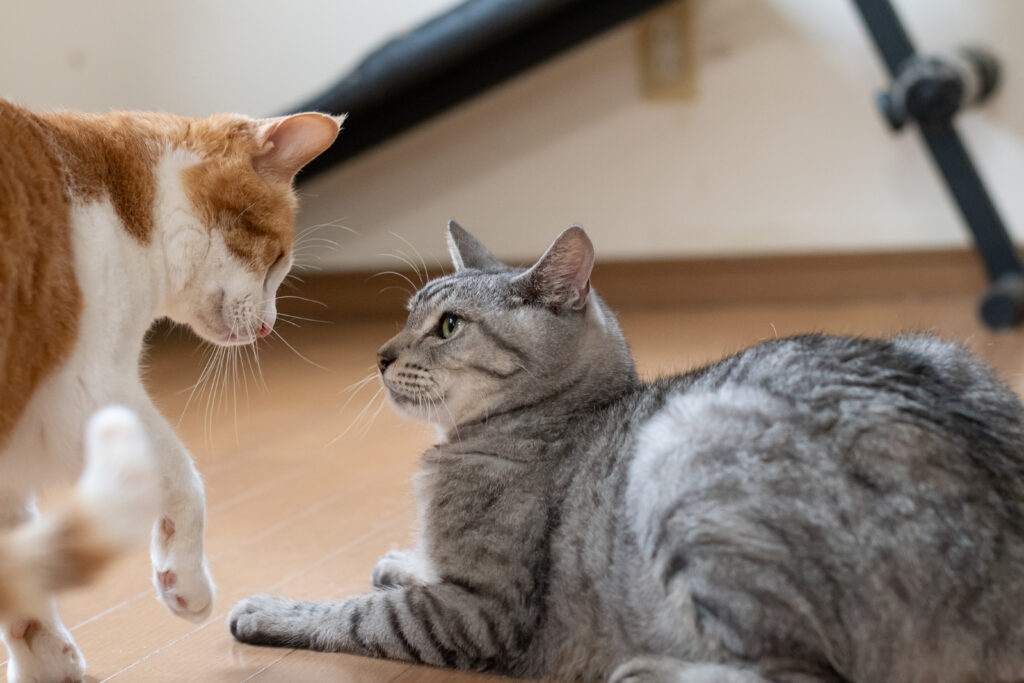
Head injuries in cats can also stem from various situations, such as altercations with other cats, collisions with trees, being kicked or struck by humans, falls, or objects falling onto them.
Concussions are typically caused by “blunt trauma,” but they can also occur during an animal attack, or if a cat is shaken or thrown forcefully to the ground.
Common signs and symptoms of head injuries in cats
If a cat is bleeding from the head, always watch closely for signs of more severe head trauma. If they have fallen from a height or been struck by falling objects, it’s important to consider the possibility of a head injury.
Concussion can manifest in a variety of ways, including:
- Lethargy or sleepiness
- Possibly weakness, maybe just down one side
- Confusion or disorientation
- Coordination problems or difficulty walking
- Rigid or flaccid limbs
- Bleeding from the ears or nose
- Abnormal eye movements
- Differences in pupil size
- Pale gums
- Seizures
- Loss of consciousness
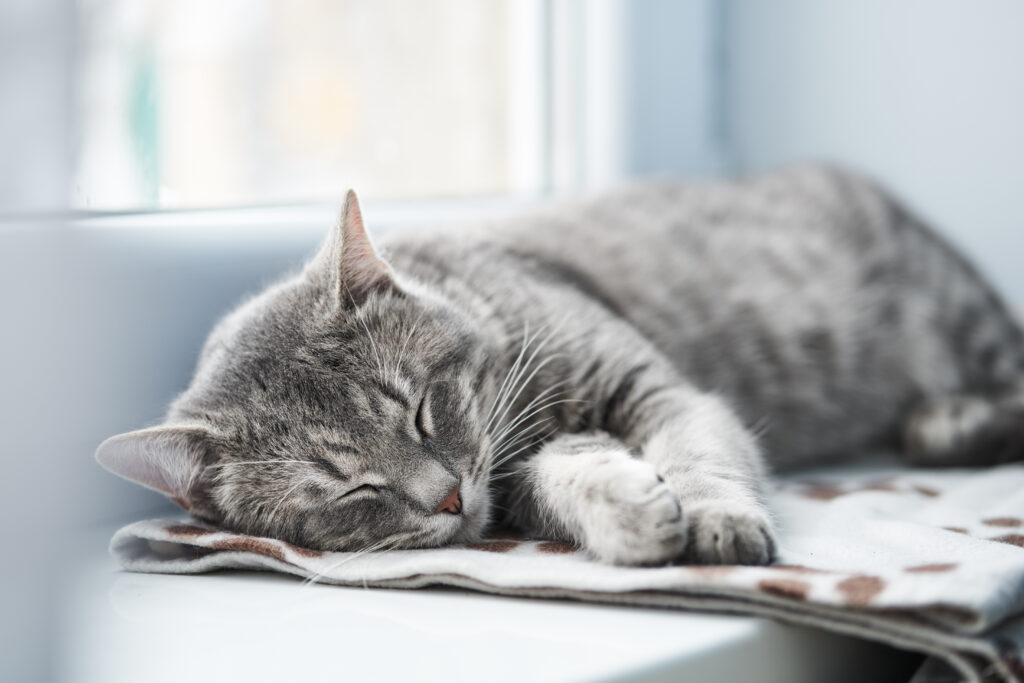
If your cat is acting unusually or showing any of the symptoms mentioned, take them to a vet immediately—even if you’re unaware of any head injury. These signs could point to other serious injuries or illnesses, and a veterinary examination is essential.
In most cases, cats recover fully from a concussion. However, delayed treatment or severe head trauma can result in permanent brain damage or even be fatal.
Seizures
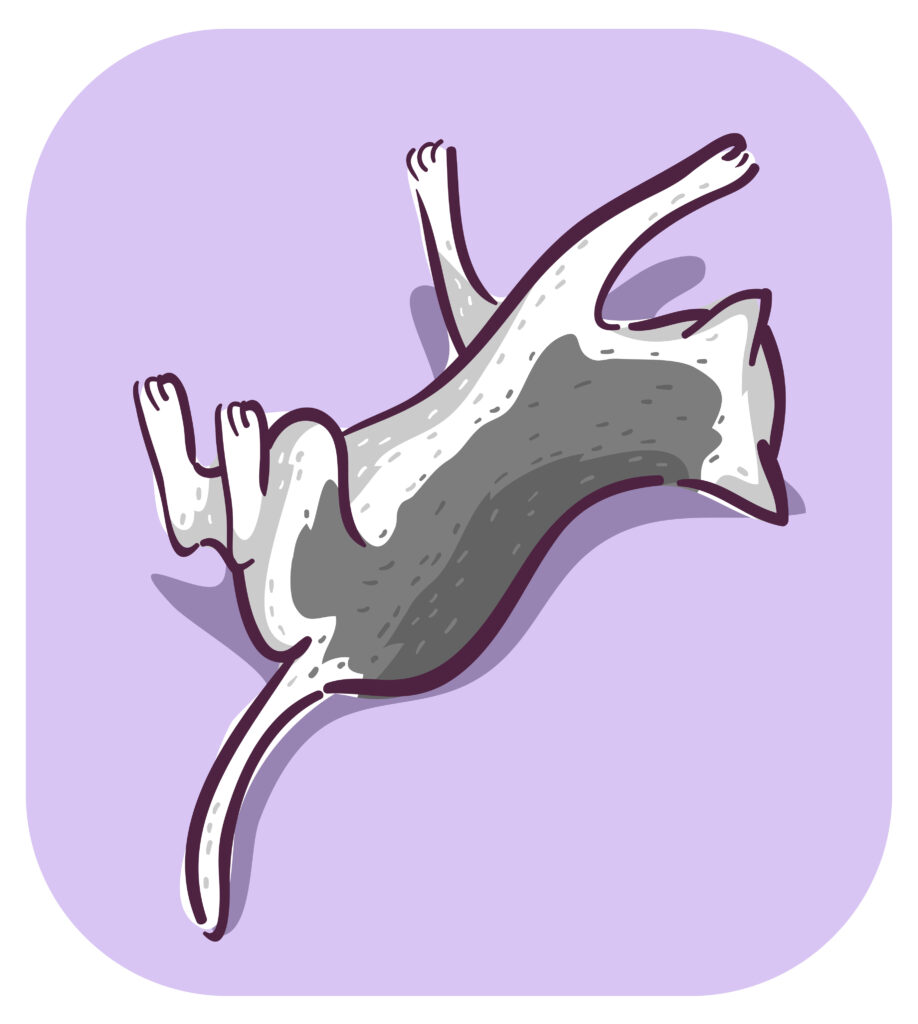
A blow to the head may trigger a seizure in cats. If this occurs, prioritize their safety by moving nearby hazards and cushioning their head.
Contact your vet immediately.
During the seizure, keep the environment calm by dimming lights and minimizing noise. Avoid restraining the cat—allow the episode to pass naturally. Once the seizure subsides, gently place them in a recovery position (on their side with the airway clear) and monitor closely until veterinary care is provided.
What your Vet may do
Your Vet is likely to undertake a neurological examination to assess the extent of the head injury and look for possible signs of damage to the brain.
They will control bleeding and advise you as to next steps.
Your pet is likely to take time to recover from their head injury.
During this period, you should keep a close eye on them. Help them to remain as relaxed as possible and refrain from strenuous activity and long walks.

First Aid for Pets provides this information for guidance and it is not in any way a substitute for veterinary advice. The author does not accept any liability or responsibility for any inaccuracies or for any mistreatment or misdiagnosis of any person or animal, however caused. It is strongly advised that you attend a practical First Aid for Pets course or take our online course to understand what to do in a medical emergency.