
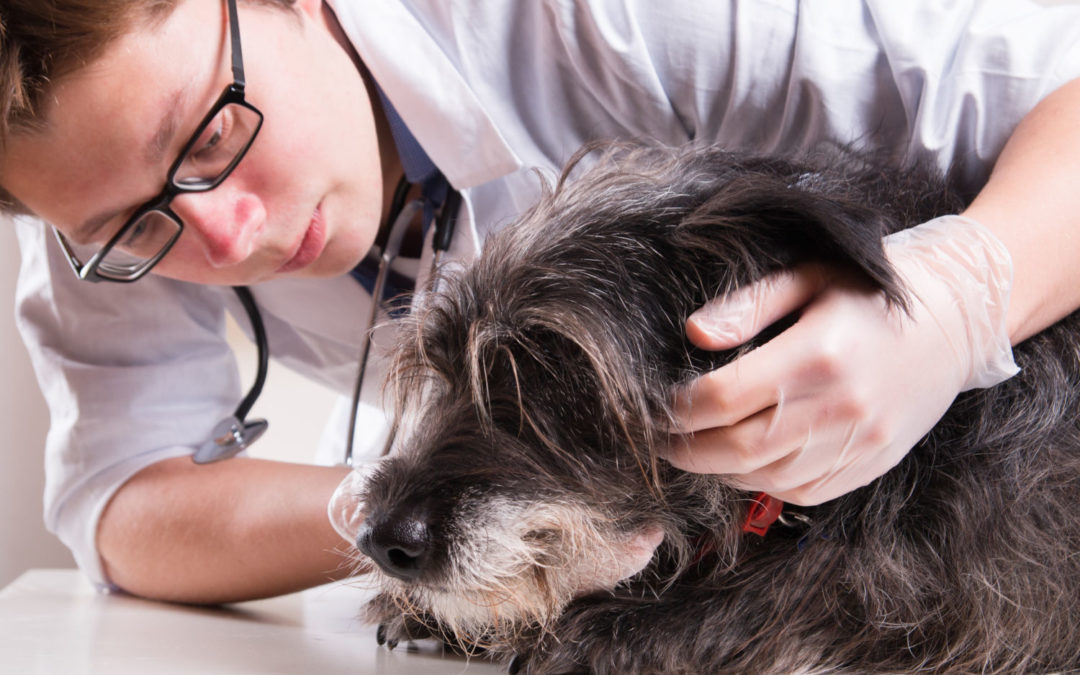
Dogs can be poisoned by a range of substances. As well as many human foods, there are also many non-food items that can seriously harm your dog. Some poisons cause an all over reaction and can result in seizures, blurred vision, acute anaphylaxis and can be fatal – so it is vital to know what to look out for.
Keep dangerous substances out of reach:
Keep all potentially harmful substances out of reach of your pets, ideally in a locked cupboard. These include: dishwasher tablets, medicines (in particular Ibuprofen and any other sugar-coated pills), alcohol, cosmetics and DIY/cleaning/gardening products. Never decant medication or other products into different containers, always use the original containers, clearly labelled, with childproof / pet proof lids if possible. Ensure that visitors also understand how important it is not to leave potentially hazardous substances within reach – the contents of many handbags could be lethal to animals!

Here’s a run down of what you need to be careful of:
Batteries
Keep batteries out of reach of dogs and small children and ensure that batteries in children’s toys are firmly secured.
Check smoke alarms regularly
Fit carbon monoxide alarms and have appliances and alarms regularly checked. Pets and humans will both be adversely affected by carbon monoxide.
Harmful plants
Be aware of harmful plants – many decorative plants (particularly berry bearing Christmas plants) are toxic. Plants can be checked through the Royal Horticultural Society or by asking your local florist or horticultural nursery.
Conkers and acorns can make your dog seriously ill.
Antifreeze
Prevent your dog from drinking from roadside puddles as these are often contaminated with antifreeze. Antifreeze (ethylene glycol) is sweet and very appealing to dogs. There is an antidote (IV ethanol!), but it needs to be given immediately otherwise the effects are likely to be fatal.
Symptoms of Antifreeze poisoning include drunken behaviour, nausea and vomiting, diarrhoea, excessive urination, seizures, shaking and tremors, coma and death. It is an extremely common fatal poison.
Rock salt
Rock salt is a mixture of salt (sodium chloride) and grit, and is used to help de-ice roads in winter. Poisoning from rock salt usually occurs in when dogs lick it from their paws or fur when they return home.
Eating rock salt results in a high blood sodium concentration which can cause thirst, vomiting and lethargy, and in severe cases: convulsions and kidney damage. Seek veterinary advice immediately.
Mouse and rat poison that is anticoagulant (eg Warfarin) based
If a dog eats rat poison or a rat or mouse that has been poisoned using an anticoagulant rodenticide such as warfarin they will be affected by the poison and it can make them extremely ill.
Warfarin poisoning may cause life threatening bleeding; effects may not appear for several days. Bleeding may be internal and is not always visible.
If caught early enough, your vet may be able to treat them with vitamin K and they can make a full recovery. Always contact your vet if there is a possibility they may have ingested rat poison, even if they are not as yet showing any symptoms.
Slug and snail bait / poison
Metaldehyde is commonly found in slug/snail baits or pellets. Metaldehyde poisoning is extremely serious and is usually fatal without urgent treatment.
Dogs may initially appear unsteady on their feet and twitchy, but may rapidly deteriorate, suffering continuous seizures and difficulty breathing.
Ibuprofen
Sugar coated Ibuprofen tablets are very appealing to dogs. If you suspect they have eaten them you need to get immediate veterinary help. Symptoms include vomiting, diarrhoea, bleeding from the gut, stomach ulceration and kidney failure.
Vitamin D
Vitamin D exists in many forms and is found in a variety of products and human skin creams.
Poisoning from vitamin D can cause vomiting, diarrhoea, bleeding from the gut, convulsions, abnormal heart rhythm and kidney failure. Effects may be delayed for several days and your pet may not recover.
Always contact your vet immediately if you suspect that your pet has ingested anything that could do them harm. Never watch and wait.
Many symptoms can take hours or days to manifest and by that time it could be too late. Always take the packaging and any remains of what has been eaten with you to the vet. This will help them to estimate just how much has been ingested. The vet will also be able to establish exactly what it was and work out if there is an antidote.
First Aid for Pets provides this information for guidance and it is not in any way a substitute for veterinary advice. The author does not accept any liability or responsibility for any inaccuracies or for any mistreatment or misdiagnosis of any person or animal, however caused. It is strongly advised that you attend a practical First Aid for Pets course to understand what to do in a medical emergency.
This site is rubbish