
How to know if a cat is choking
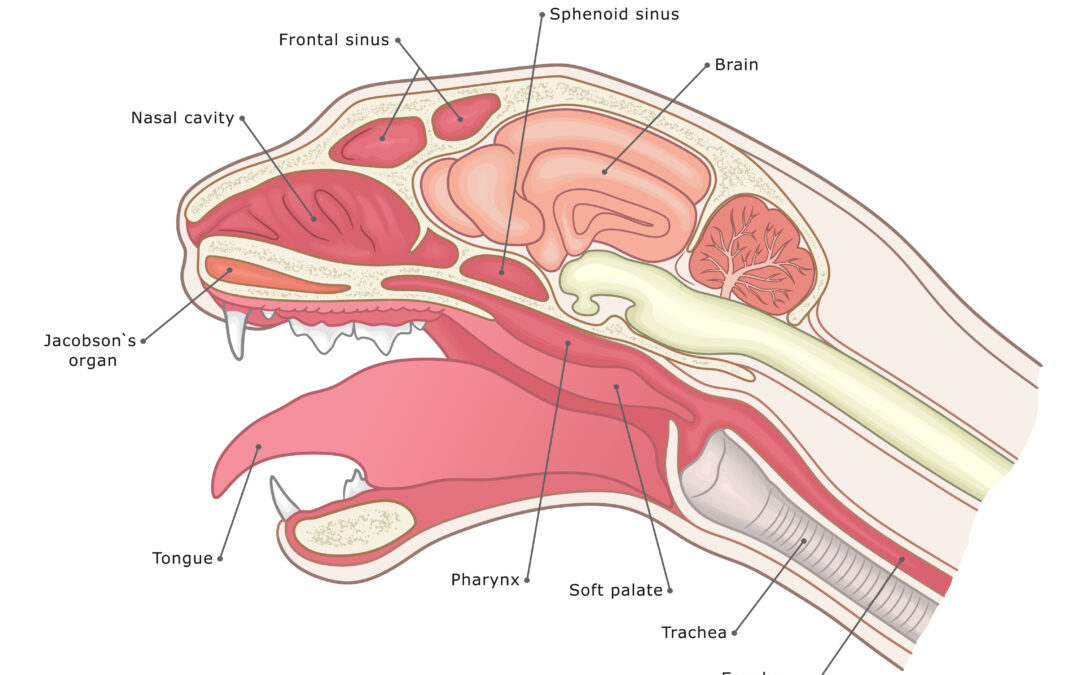
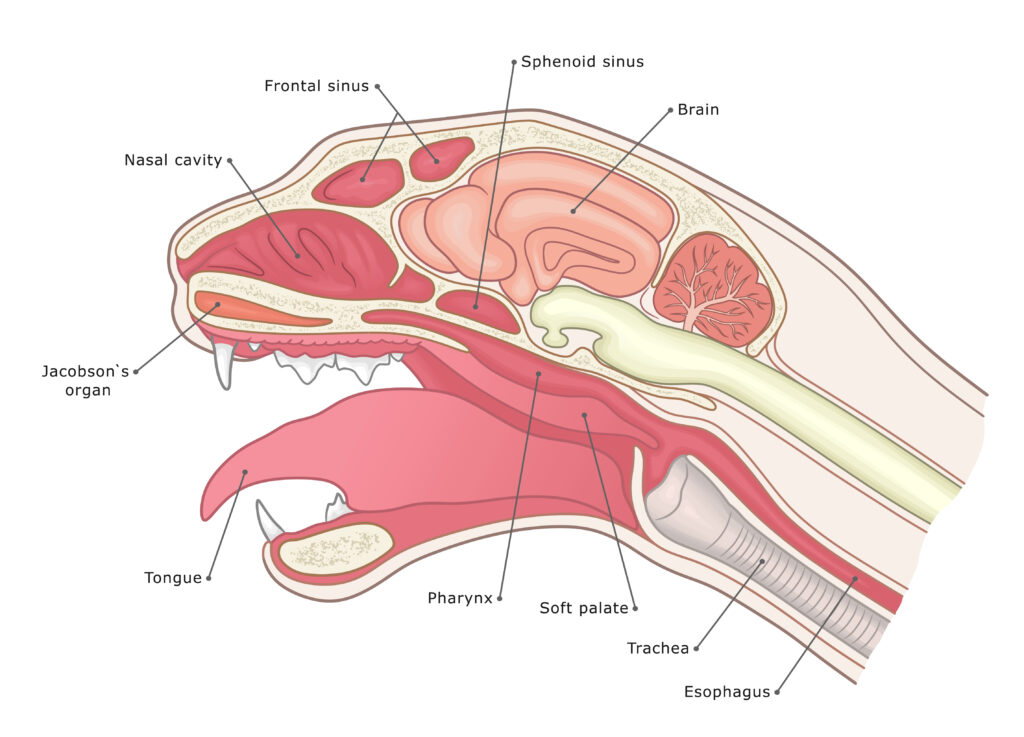
Choking occurs when something gets stuck in the back of the throat and blocks the airway. When the airway is partially blocked the animal may start retching, pacing back and forth and pawing at their mouth. If their airway becomes totally blocked they may be unable to make any sound at all.
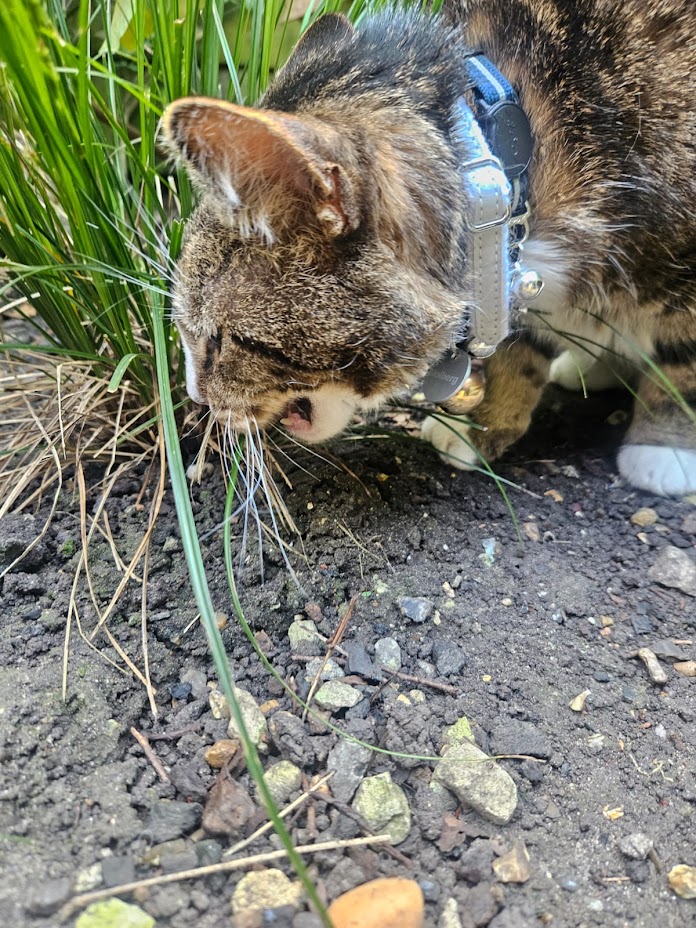
Your pet may show clear signs of distress and paw at their mouth, gag or retch and drool, they are also likely to panic and may become wheezy. If they are struggling to breathe, they may appear to cough, struggle breathing and their mucous membranes may start turning blue. If untreated they will collapse and die. Cats can choke on anything such as small balls, bones, socks, rubbish and children’s toys. Choking is frightening and occasionally fatal.
Never delay getting veterinary help and advice. Phone the Vet as soon as possible.
How to help
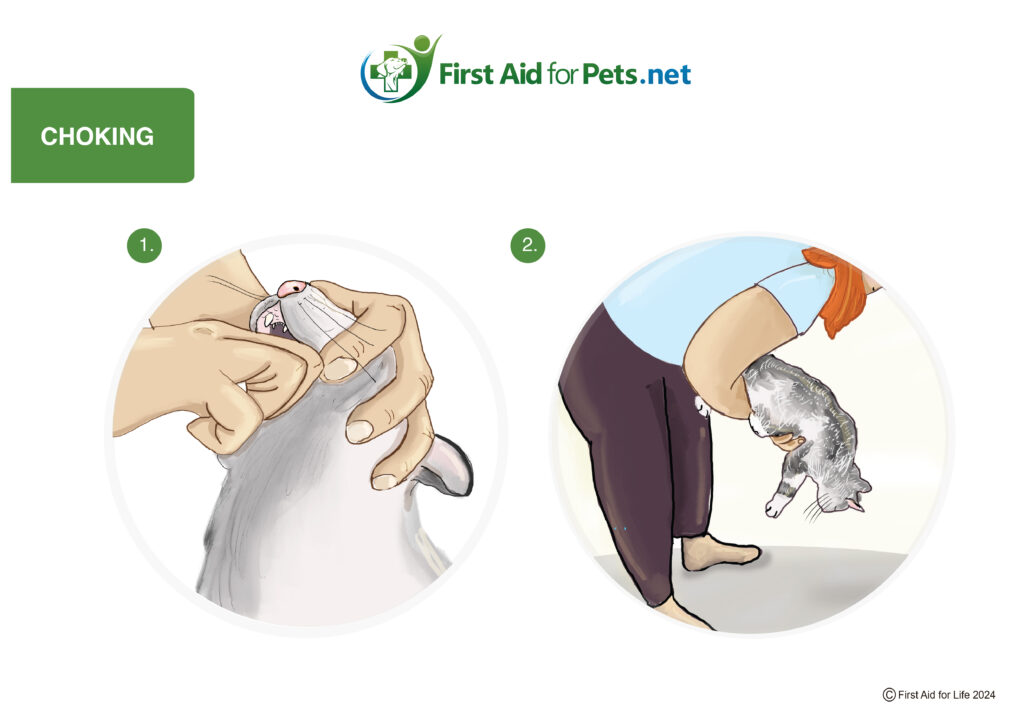
- Extremely carefully look in their mouth, ideally with someone else helping. DO NOT GET BITTEN. Do not finger sweep or probe blindly to remove an obstruction as you will make things worse.
- If you can see something obvious, remove it with tweezers or forceps.
- Hold them upside down by their thighs and gently shake them to try and release the obstruction
- If re-positioning them hasn’t helped, you will need to do an abdominal thrust (Heimlich Manoeuvre):
- Stand behind your pet and reach over their back.
- Make a fist with one hand and place it under their abdomen, place the other hand over the fist and pull upwards and forwards under your pet’s stomach.
- Repeat up to 5 times.
- If your pet stops breathing you may need to be ready to help with CPR.
In most cases, getting rid of the choking obstruction allows the cat to begin breathing again on its own. Remember that as they are scared they are very likely to bite even when the object has been removed. They will also pick up on your panicked heart beat which will add to their fear and anxiety.
If your cat is unconscious and not breathing you may wish to begin CPR. At approximately 120 chest compressions per minute, 30 compressions to 2 breaths and continue these until at the veterinary practice.
After they have stopped choking
Whether the item is dislodged or not, it is essential that the animal is thoroughly checked by a Vet as there may be damage to the inside of the mouth or throat once the object is removed, or damage to their ribs or internal organs if you have attempted a Heimlich Manoeuvre.
Trauma to the inside of the mouth or throat can take many days to heal, and can also make it hard or painful for the cat to eat his regular food. Making the normal diet soft by running it through the blender with warm water may help. Your vet may dispense pain relief to help during the recovery period.

They might not be choking
Suffocation and strangulation has similar symptoms to choking but you are likely to be able to spot the cause relatively easily. Strangulation can be caused by a cable, string or other item wrapped around the neck. Carefully use a pair of scissors to cut the object. Suffocation is most commonly caused by plastic bags, if possible carefully remove and treat as for unconscious not breathing.

First Aid for Pets provides this information for guidance and it is not in any way a substitute for veterinary advice. The author does not accept any liability or responsibility for any inaccuracies or for any mistreatment or misdiagnosis of any person or animal, however caused. It is strongly advised that you attend a practical First Aid for Pets course or take our online course to understand what to do in a medical emergency.