
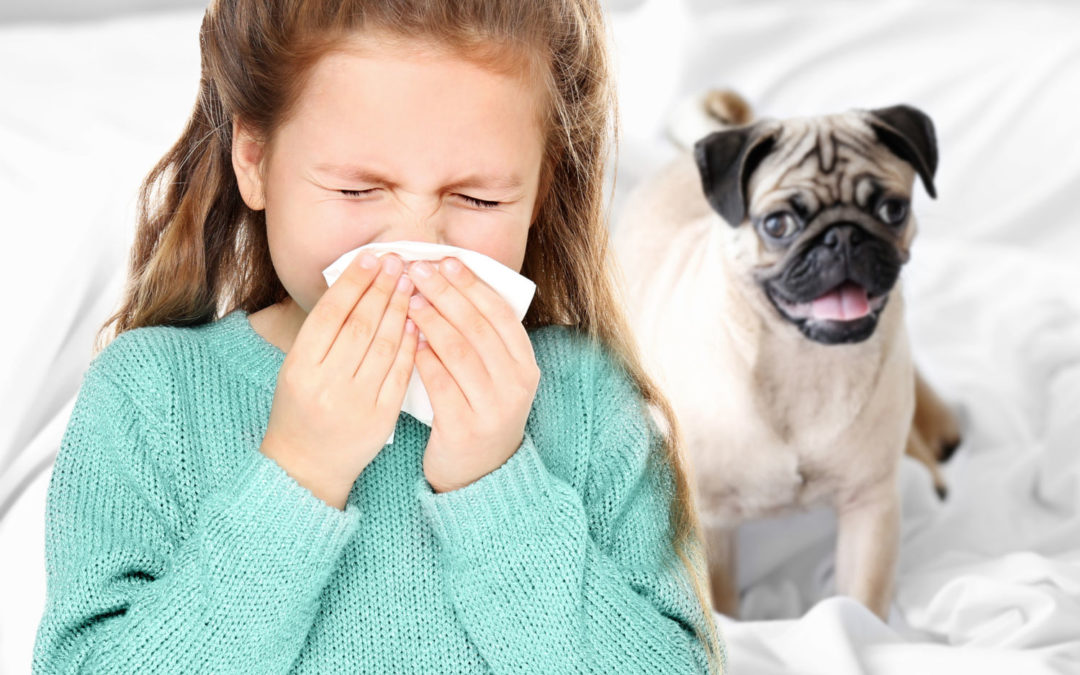

Owning a pet is one of life’s pleasures. However, for some people having a pet triggers allergic reactions that make it too difficult to have a pet in their household. Happily, there are things you can do to reduce the risk of animals triggering your asthma. Here we look at what causes an allergic reaction to pets and how you can manage your symptoms.
Why do animals cause asthma symptoms?
If animals trigger your asthma, this is what is known as allergic asthma.
Many people think animal fur or hair is the root of the problem, but usually this isn’t the case.
If pets are an asthma trigger for you, it’s usually due to proteins found in the flakes of animal skin – known as dander – saliva, urine or even fine particles from bird feathers that cause the allergy.
Sensitivity
Sensitivity to these proteins means touching or inhaling them triggers an overreaction in your immune system. This releases a chemical called histamine that can trigger an allergic reaction.
Symptoms
Symptoms can include: difficulty breathing: red, itchy and watery eyes and nose; sneezing; and coughing; tickly or sore throat; itchy skin.
Asthma
For many asthma sufferers this release of histamine can make their symptoms worse.
Pet paraphernalia
Sometimes, the allergy is not triggered by the pet but something connected to the pet such as their tank or cage, or the food they eat. Other common culprits include the cleaning products used to clean pet equipment or the antibacterial hand gel you use after touching them.
How to reduce your risk of animals triggering your asthma
The key is to take your preventer medicines as prescribed.
This soothes any inflammation in your airways so if you do come into contact with an asthma trigger, your airways are less likely to react.
For information on how to help someone having an asthma attack read our article here.
Is it okay to have a pet when you have asthma?
Think carefully about choosing a pet if you or anyone in your family are asthmatic and discuss this choice with your asthma nurse and doctor.
If you, or anyone else in your household or start getting asthma symptoms that you think are caused by your pet you should:
- Make an appointment to see your GP or asthma nurse as soon as possible.
- Tell them that your symptoms may be caused by your pet or an animal so they can amend your asthma treatment, and your written personal asthma action plan, to make sure your asthma is as well managed as possible.
- Keep the bedroom a pet-free zone and where possible, the living area too.
- Hoover all soft furnishings and floors regularly and if possible opt for hard flooring rather than rugs and carpets.
- Arrange for someone who is not allergic to your pets to brush and bathe your dogs and cats regularly, or take them to a professional groomers.
- If your pet lives in a cage, ask someone else to clean it out. Keep the pet in their cage as much as possible and restrict their access, particularly to the bedroom and living room.
- You might like to try an air filter or vacuum cleaner for pets, which some pet owners believe helps them manage their pet allergies.
Hypoallergenic pets and asthma
Hypoallergenic describes something that’s unlikely to cause an allergic reaction.
Certain breeds of cats and dogs are believed to be hypoallergenic and therefore safe for people with asthma. Although it’s true some animals produce less allergens than others, all animals produce the dander, urine and saliva that can be responsible for triggering asthma symptoms.
In fact, research shows that no animals can be classed as truly hypoallergenic.
Read our article on choosing the right dog for you here.
Alternative pet ideas for children with asthma
If your children love animals but can’t keep a household pet try:
- Visiting your pet shop to see if you would like to keep fish, reptiles or amphibians. Discuss other options at the pet shop.
- Getting your child a virtual pet which allows children to take responsibility for a pet’s wellbeing, cleaning and feeding routines, without any concerns about allergic symptoms.
- Sponsoring an animal through a zoo, safari park or charity scheme.
Further support
Finally, if you want further support and information, then Asthma.org.uk offer more help from their asthma nurse specialists on their helpline here: 0300 222 5800
About us
Written by Emma Hammett for First Aid for Life
Award-winning first aid training tailored to your needs
It is strongly advised that you attend a practical First Aid for Pets course or take our online course to understand what to do in a medical emergency. Please visit https://firstaidforlife.org.uk, https://www.firstaidforpets.net or call 0208 675 4036 for more information about our courses.
First Aid for Life is a multi-award-winning, fully regulated first aid training provider. Our trainers are highly experienced medical, health and emergency services professionals. They will tailor the training to your needs. Courses for groups or individuals at our venue or yours.
First Aid for Pets provides this information for guidance. It is not in any way a substitute for veterinary advice. The author does not accept any liability or responsibility for any inaccuracies or for any mistreatment or misdiagnosis of any person or animal, however caused.