

What is shock and why does it occur?
Shock is a lack of oxygen to the tissues of the body, usually caused by a fall in blood volume or blood pressure.
Shock occurs as a result of the body’s circulatory system failing to work properly, which means that the tissues and organs of the body, including the heart and the brain, struggle to get sufficient oxygen. The body’s response to this is to shut down the circulation to the skin, the heart speeds up as it tries to get sufficient blood supply and oxygen around the body and blood supply is drawn away from the gut to prioritise vital organs; which causes the animal to feel sick and thirsty and can lead to collapse.
Shock results from major drop in blood pressure and is serious.
Most Common Types of Shock
- Hypovolaemic– the body loses fluid, such as with major bleeds (internal and external), burns, diarrhoea and vomiting.
- Cardiogenic– heart attack i.e. the heart is not pumping effectively.
- Anaphylactic– the body reacts to something, releasing large amounts of Histamine and other hormones. These dilate the blood vessels and cause them to leak fluid, causing swelling of the airways and leading to a triple whammy of shock.
- Extremes of temperature.
- Major assault on the nervous system such as a spinal or brain injury.


Signs and Symptoms of Shock
Initially:
- Rapid pulse
- Pale, cold and clammy
As shock develops:
- Grey-blue skin colour and blue tinge to the mucous membranes (i.e. they are cyanosed)
- Weak and dizzy
- Nausea and vomiting
- Thirst
- Shallow, rapid breathing
As the brain is struggling for oxygen:
- May become restless and possibly aggressive
- Yawning and gasping for air
- Eventually they will lose consciousness and become unresponsive
- Finally, they will stop breathing
Treatment for shock
1. Call the vet immediately.
2. Lie the animal on their right hand side.
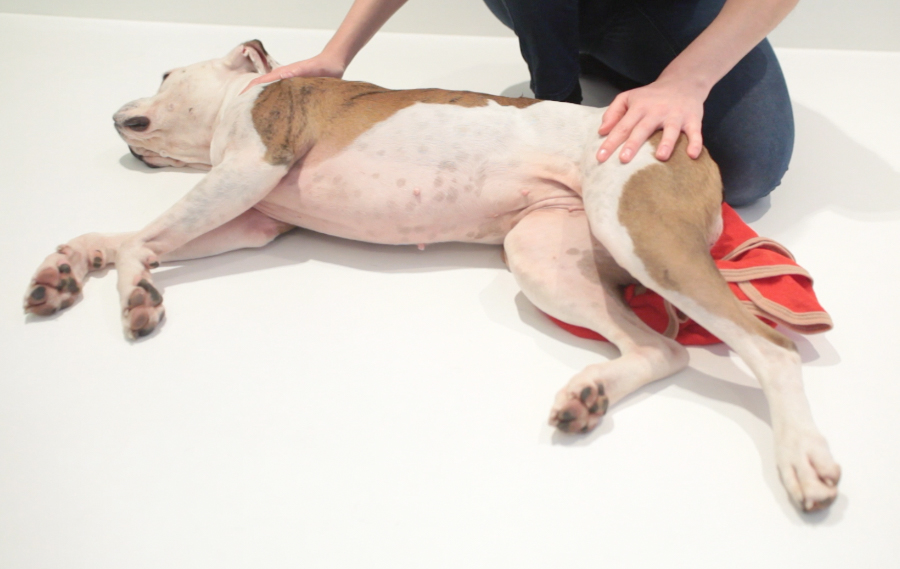
3. Put a folded blanket under their lower back to raise it. This encourages blood to flow to their heart and brain.
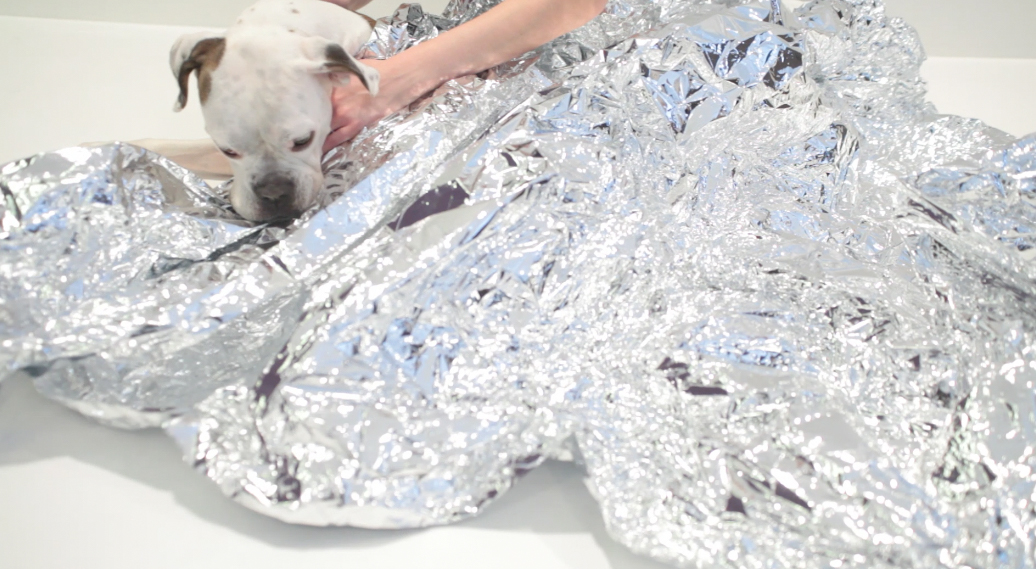
4. Cover them with a blanket to keep them warm.
Shock is made worse when an animal is cold, anxious or in pain. Reassuring them and keeping them warm can make a real difference.
Do not give them anything to eat or drink. They may need an operation and general anaesthetics are safer on an empty stomach.

About us
Written by Emma Hammett for First Aid for Life
Award-winning first aid training tailored to your needs
It is strongly advised that you attend a practical First Aid for Pets course or take our online course to understand what to do in a medical emergency. Please visit https://firstaidforlife.org.uk, https://www.firstaidforpets.net or call 0208 675 4036 for more information about our courses.
First Aid for Life is a multi-award-winning, fully regulated first aid training provider. Our trainers are highly experienced medical, health and emergency services professionals. They will tailor the training to your needs. Courses for groups or individuals at our venue or yours.
First Aid for Pets provides this information for guidance. It is not in any way a substitute for veterinary advice. The author does not accept any liability or responsibility for any inaccuracies or for any mistreatment or misdiagnosis of any person or animal, however caused.
Thank you so much for this information.. it was simple and easy to understand and apply. You calmed me down and saved my Yukon dog alive and comfortable.
very good
In order to minimize the impact of shock it is important to keep an animal quiet, warm and away from activity and noise, if you come across an animal that has been hit by a car how can you ensure all of the above takes place.I am doing first aid for animals and unsure of answer if the animal should not not risk minimal movement as you do have to place the dog in your car
Thank you so much for all your advice.
It’s much appreciated.
why does it needed to be laid on their right side?
Because their heart is on their left side, laying them on their right gives their heart the ability to beat 🙂
I need help my puppy is in serious condition plzz help me this contact no. Is not working
Please help my older dog teats is very swollen and shes shaking please help
briefly descus shock
If my dogs tumor bursts and they bleed internally is the best thing knowing they are dying to comfort them as described until they pass, and is it painful? I’m told unless I put her down before this could happen it might be the case. I’m confused as surgery isn’t an option for her age. She is 10 yr old rottie
Knowing how to assist a dog in shock is crucial information that every puppy owner should be aware of. Interested in getting a puppy? Check out Petzlover.
your level of quality work remains unprecedented – Petzlover done a great job
I am taking in the stray dog. She is terrified now nutrition has never been socialized with humans before besides ones that have hurt her. She has been laying on the floor for four days only getting up momentarily to use the restroom then lay back down. She’s not injured she not hurt. She’s just terrified. How do I help her to relax and get her to get up and move around